Real Estate Lead Generation in Chennai: A Complete 2026 Playbook for Builders and Agents
By Avinash N.U., Founder & Chief Brand Strategist
•June 20, 2026
•12 min read
Real estate lead generation in Chennai is not a traffic problem. Most builders and brokers in Chennai are generating enough enquiries — from 99acres, from Meta Ads, from their Google Business Profile. The problem is a conversion problem: too many of those enquiries are going cold before they reach a site visit, and too many site visits aren't resulting in bookings because the follow-up system between enquiry and booking is broken.
Real estate lead generation for Chennai builders and agents is the systematic process of attracting qualified property buyers and investors across digital and offline channels — and then converting those enquiries into site visits, site visits into negotiations, and negotiations into bookings — through speed, consistency, and targeted nurturing.
The market context matters enormously here. JLL's Residential Dynamics Report Q4 2025 reports that Chennai emerged as the standout performer in 2025 with 31% growth in residential sales, reaching 14,837 units — while simultaneously recording 45% growth in new supply launches. This means both opportunity and competition are at their highest point in recent years. The builders and agents winning in this environment are not necessarily the ones with the best projects — they're the ones with the best lead generation and conversion systems.
The Chennai Real Estate Buyer in 2026: How They Actually Search
Before building a lead generation strategy, you need to understand exactly how Chennai property buyers behave in 2026.
Stage 1 — Online Discovery (Weeks 1–4):
The buyer starts on Google: "2 BHK apartments in OMR under 80 lakhs," "new projects in Porur 2026," "ready-to-move flats Velachery." They browse portal listings on 99acres, MagicBricks, and Housing.com. They check Instagram for project videos. They look at YouTube for locality reviews and property walkthroughs.
According to Guaranteed Removals' 2025 Google review research, 97% of home buyers start their property search on the internet, and the internet accounts for at least 52% of all property referrals. Your digital presence in the discovery stage determines whether you're in the buyer's consideration set at all.
Stage 2 — Comparison (Weeks 2–6):
The buyer shortlists 3–5 projects that meet their basic criteria. They compare Google reviews. They visit websites. They enquire on multiple portals simultaneously. They may ask in neighbourhood Facebook groups or WhatsApp communities for opinions on specific developers or localities.
Stage 3 — Engagement (Weeks 3–8):
The buyer contacts their shortlisted projects — via form, portal enquiry, direct WhatsApp, or call. This is where your speed-to-respond determines whether you make the shortlist for a site visit. ANAROCK's 2025 ASTRA data shows the average lead-to-buy conversion time fell to just 26 days in 2025 — meaning buyers who engage are making decisions faster than ever. Being slow at this stage is not recoverable.
Stage 4 — Decision (Weeks 4–10):
Site visits, negotiation, booking. The winner at this stage is typically determined by three factors: product-market fit (the right unit at the right price), trust (built from reviews, referrals, and brand signals), and the quality of the sales relationship established in Stage 3.
Chennai Real Estate Lead Generation: The 6 Channels That Work

Channel 1 — Google Search Ads (Highest Intent)
Google Search Ads capture buyers who are actively searching for properties — the highest commercial intent of any digital channel. These buyers have already decided to buy; they're now deciding which project.
Key targeting approach for Chennai real estate:
- Exact and phrase match keywords only: "2 BHK flats in Sholinganallur," "ready-to-move apartments OMR," "new projects Porur 2026" — not broad match "real estate Chennai"
- Ad creative that matches the search query exactly (ad says "Sholinganallur flats" → landing page shows Sholinganallur project)
- Landing pages per locality and unit type — not one generic company homepage
- Call tracking and form tracking as conversions — so you know which keywords produce site visits, not just clicks
First Page Sage's 2025 real estate digital marketing data, cited by Sunil Pratap Singh's 2026 India real estate guide, shows that Google Ads leads convert at up to 22% in real estate — the highest conversion rate of any paid digital channel.
According to WordStream's 2026 Google Ads Benchmark Report, the average Google Ads conversion rate for real estate is 3.28% — meaning 3.28% of clicks become leads. If your conversion rate is below this, the issues are almost certainly landing page quality, match type misalignment, or geographic targeting being too broad. For the complete self-audit, see our Google Ads checklist for Chennai business owners.
Channel 2 — Meta Ads (Awareness + Retargeting)
Meta Ads (Facebook and Instagram) work differently from Google Ads in real estate. Where Google captures active searchers, Meta reaches buyers who fit your target profile but aren't actively searching right now — building awareness and consideration.
Most effective Meta ad formats for Chennai real estate:
- Video walkthrough ads (60–90 seconds): The single most effective format for real estate on Meta. A real, genuine walkthrough of the property — not a professional brand film — consistently outperforms polished creative because it builds trust through authenticity.
- "Under ₹X in [Locality]" hook ads: Price anchoring with locality specificity works exceptionally well in Chennai's value-conscious mid-segment (₹40L–₹80L corridor).
- Retargeting campaigns: Website visitors who browsed your floor plans but didn't enquire, video viewers who watched 50%+ of your walkthrough, people who engaged with your Instagram profile — these are warm audiences worth ₹3,000–₹5,000 CPL because they've already expressed interest.
Facebook lead generation ads with an instant form convert at approximately 2% according to First Page Sage benchmarks — lower than Google's search intent-driven rates, but at significantly lower CPLs, making Meta an efficient top-of-funnel awareness driver.
Channel 3 — Property Portals (Volume + Organic Visibility)
99acres, MagicBricks, and Housing.com remain the dominant search destinations for Chennai property buyers in the mid-to-premium segment. These portals account for a significant share of discovery-stage research — particularly among buyers comparing multiple projects in the same locality.
The ROI challenge with portals: leads from portals are typically earlier-stage (comparison shopping, not committed) and often shared with multiple competing projects. The builder who responds fastest and with the most personalised information wins the site visit.
Optimising for portal leads in Chennai:
- Complete, photo-rich listings with current inventory and accurate pricing (stale listings destroy credibility)
- Premium placement in your key localities (OMR, Porur, Velachery, Sholinganallur)
- Integrate portal lead feeds into your CRM so portal enquiries trigger the same instant WhatsApp response as website enquiries
- Track portal-specific conversion rates monthly — if 99acres produces 30 leads and 1 booking while Google Ads produces 15 leads and 3 bookings, reallocate budget accordingly
Channel 4 — Google Business Profile (Free, High-Intent)
Your Google Business Profile is your highest-ROI free asset in real estate marketing. When a buyer searches "real estate agent near me" or "new apartments OMR Chennai," GBP listings with strong reviews and complete profiles dominate the local pack — above paid ads for many queries.
According to Guaranteed Removals' 2025 Google review data for real estate, 81% of consumers check Google reviews before engaging with a real estate business. An active GBP with 50+ recent reviews, weekly posts showing project updates, and photos of actual units and site visits dramatically improves both search visibility and visitor-to-enquiry conversion.
Post on GMB at minimum 2 times per week: construction updates, unit availability, project milestone announcements, price alerts, and neighbourhood infrastructure updates relevant to your key corridors.
Channel 5 — Referral Systems (Highest Conversion Rate)
National Association of Realtors 2025 data, cited by India real estate marketing research, shows that referral leads close at 3–5 times higher rates than cold portal leads — because pre-existing trust dramatically compresses the sales cycle.
Most Chennai builders and agents have no formal referral system — they receive referrals passively when happy buyers mention them to friends, but they do nothing to systematically generate them.
A simple referral system:
- Post-booking WhatsApp message expressing gratitude and directly asking if the buyer knows anyone also looking
- A structured referral incentive (gift card, premium unit upgrade, or fee reduction on next transaction)
- A dedicated WhatsApp broadcast list for past buyers — kept warm with project updates and market news — that makes them feel like insiders who will naturally refer others
- A 6-month post-possession check-in that creates a natural referral conversation moment
Channel 6 — Content Marketing and Local SEO (Long-Term Organic)
Neighbourhood-specific blog content is the most durable, lowest-cost lead generation channel for Chennai real estate — but it requires consistent investment over 3–6 months before producing significant organic traffic.
High-value content topics for Chennai real estate local SEO:
- "Is OMR a good area to buy a flat in 2026? Complete locality guide"
- "Porur vs Mogappair — which is better for IT professionals buying their first home?"
- "New metro corridors in Chennai and how they affect property prices in 2026"
- "Complete guide to home loan eligibility for a ₹60 lakh apartment in Chennai"
These articles rank for buyer-intent search queries, drive zero-CPL leads, and establish your brand as the most credible authority for Chennai property questions — long before a buyer is ready to enquire.
What It Actually Costs to Generate Real Estate Leads in Chennai
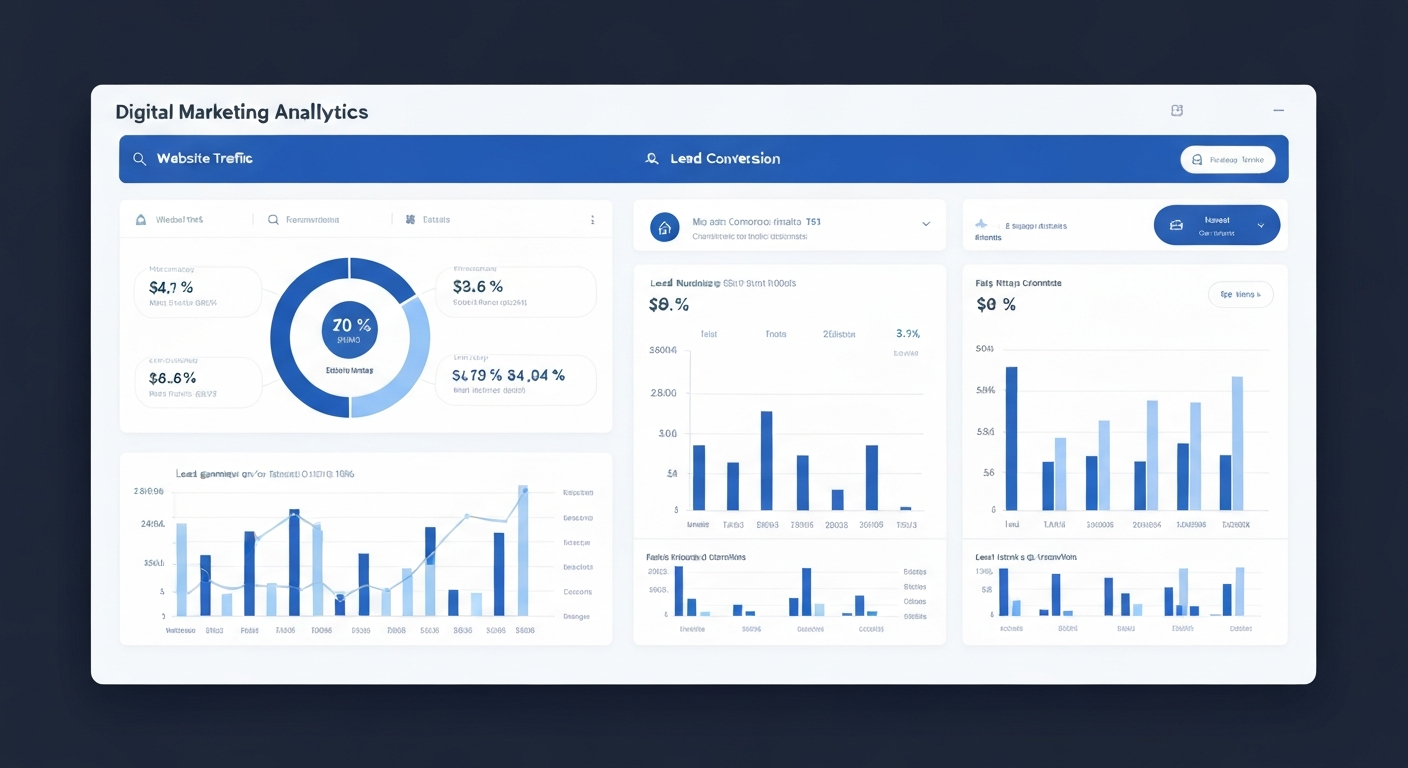
Understanding CPL (cost per lead) benchmarks is essential before committing to any channel strategy.
According to Tatva Digital's 2025 Indian real estate CPL research:
- Affordable / Mid-segment apartments: ₹600–₹1,200
- Premium apartments and villas: ₹1,500–₹3,000
- Luxury real estate developments: ₹3,000–₹6,000+
- Plotted developments: ₹800–₹2,000
These benchmarks apply across digital channels. The key insight from the same report: using correct real estate sales funnel marketing is shown to increase conversion rates by approximately 30–50%, resulting in a lower actual cost per booking — even when CPL remains the same.
A ₹1,200 lead that converts at 2% (industry average) produces a booking at ₹60,000 marketing cost. A ₹1,200 lead with proper CRM and follow-up automation that converts at 5% produces a booking at ₹24,000 — a 60% reduction in cost per booking from the same CPL, achieved through conversion optimisation rather than cheaper leads.
The Conversion System That Transforms Chennai Real Estate Lead Generation
Generating leads is the beginning. Converting them is the business.
The industry average real estate conversion rate of 0.4–1.2% (National Association of Realtors, cited by JustCall 2026) means most of your leads will never become clients — with your team or any other. But the 10–12% who do convert within 24 months will go to whoever has maintained the best ongoing relationship.
The conversion system that wins:
- Within 60 seconds of any lead: Automated WhatsApp acknowledgment with project-specific information and a qualifying question
- Within 15 minutes (business hours): Human call from a named sales consultant — not a generic "customer care" number
- Within 2 hours of call: WhatsApp follow-up with the unit they expressed interest in, the site visit scheduling link, and the consultant's direct WhatsApp contact
- Day 3 (no response): Automated nurture message — a specific property update or price alert relevant to their interest
- Day 7 (warm but not site-visiting): "Weekend site visit — 4 slots remaining" message with direct booking link
- Day 14 (still warm): Construction update with photos, positioned as an insider update for serious buyers
- Day 30 (still engaged): Re-engagement message asking if their situation has changed and if they'd like a virtual walkthrough
- Monthly (long-cycle buyers): Project newsletter with pricing updates, unit availability, and construction milestone photos
For the CRM that tracks this entire sequence and ensures no lead falls through, read our guide on Real Estate CRM in Chennai — How Builders and Brokers Stop Losing Leads. For the reputation management component (Google reviews, GBP optimisation) that supports every stage of the buyer's research, see our Reputation Management guide for Chennai businesses.
RevMax App is designed to power this entire system for Chennai real estate teams — combining multi-portal lead capture, WhatsApp automation, CRM pipeline tracking, and automated nurture sequences in one platform with INR pricing and Indian market support.
Follow our Instagram page (@revenuemasteryconsulting) for weekly real estate lead generation and conversion tips specific to the Chennai market. For strategic real estate marketing conversations, connect with Avinash on LinkedIn or follow the Revenue Mastery Consulting LinkedIn page.
Frequently Asked Questions
What is the most effective real estate lead generation strategy in Chennai in 2026?
The highest-converting strategy combines: (1) Google Search Ads targeting locality-specific buyer-intent keywords for immediate high-quality leads; (2) an active Google Business Profile with 50+ recent reviews for free organic discovery; (3) Meta Ads for awareness and retargeting; and (4) a systematic referral programme for past buyers. These channels work together — Google captures active searchers, Meta warms up awareness audiences, GMB converts local searches, and referrals provide the highest-converting, lowest-cost leads. The conversion system (instant WhatsApp response, CRM pipeline, nurture sequences) determines whether those leads result in bookings.
How much should a Chennai builder spend on digital lead generation per month?
The right budget depends on your project's price point, locality, and sales targets. A rough benchmark: for a mid-segment project (₹50L–₹80L) in OMR or Porur targeting 8–10 bookings per month, a realistic digital marketing budget is ₹1.5L–₹3L per month in ad spend, plus ₹30,000–₹60,000 for campaign management. At a CPL of ₹800–₹1,200 and a booking conversion rate of 3–5% with proper follow-up systems, this budget produces the target bookings. Without a proper CRM and follow-up system, the same budget produces 30–50% fewer bookings from identical lead volume.
How do I generate real estate leads for free in Chennai?
The highest-ROI free channels in Chennai real estate: (1) Google Business Profile — a fully completed, actively posted, review-rich GBP profile generates significant free discovery traffic; (2) Referral programme — structured ask from happy buyers; (3) Neighbourhood Facebook groups and WhatsApp communities — organic, non-spam engagement with locality-specific discussions; (4) YouTube neighbourhood tours — long-form content that ranks in YouTube search and drives sustained zero-CPL leads for months after publication. These channels require time rather than ad spend, but produce some of the highest-converting leads in the market.
Why are my real estate leads from 99acres converting so poorly?
Portal leads are typically earlier-stage research enquiries, shared with multiple competing projects. The three most common conversion problems with portal leads are: (1) slow response time — if you're calling 4–6 hours after enquiry, the lead has already visited a competitor's site; (2) no qualification before human time — your sales team is spending equal time on casual browsers and serious buyers; (3) no nurture for leads who don't convert on the first call — giving up after 1–2 attempts when the buyer needs 26+ days and 5–8 touchpoints to decide. The fix is not to stop using 99acres — it's to improve the speed and consistency of your follow-up system.