WhatsApp Business Automation for Small Businesses in Chennai: Complete Guide
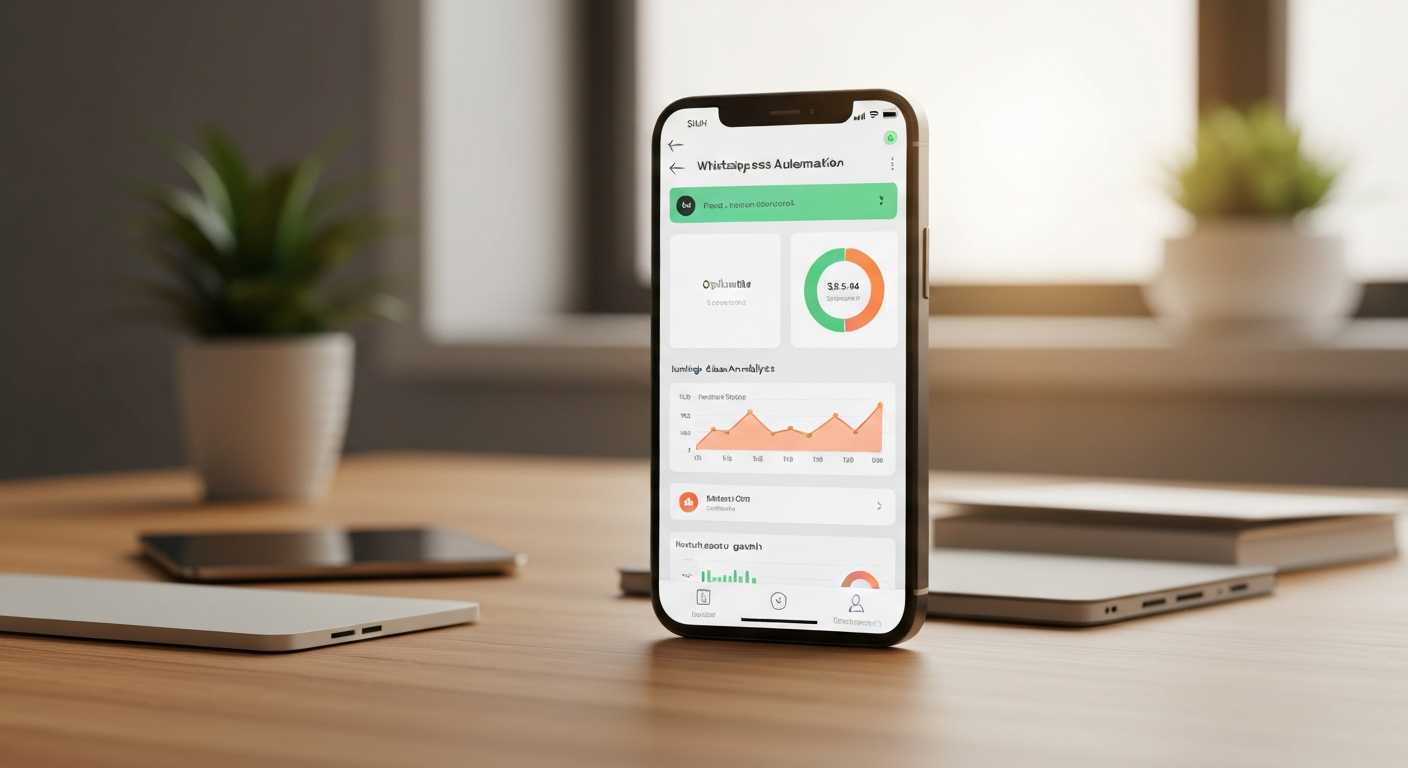
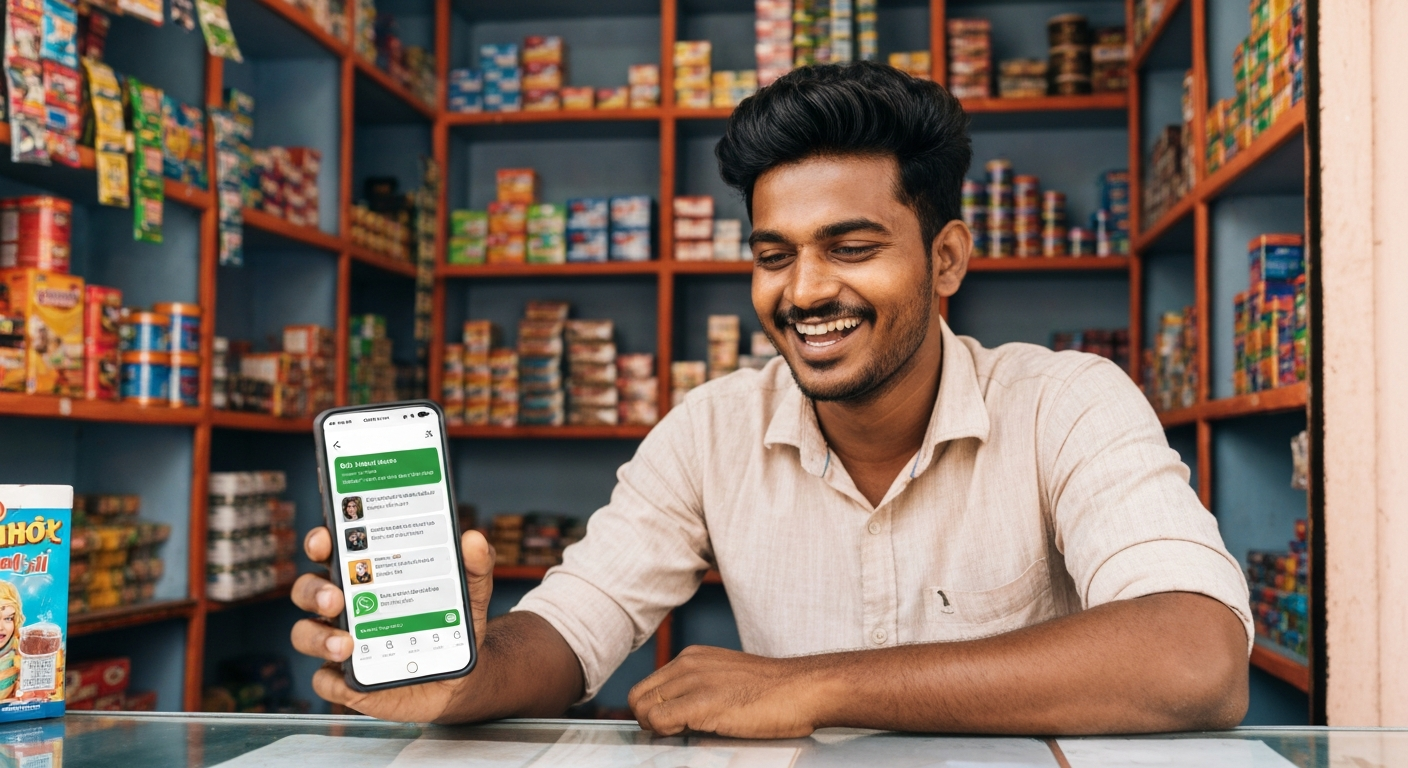
If you run a small or medium business in Chennai and you're still manually replying to every WhatsApp enquiry, you're burning time that your business cannot afford — and you're probably losing leads at the exact moment they're most likely to convert. WhatsApp business automation is the use of automated, rule-based or AI-driven replies on WhatsApp to qualify, respond to, and follow up with leads without requiring manual effort for every message. It's not about replacing the human element of your business. It's about making sure that every enquiry gets an instant, intelligent response — whether it arrives at 2 PM on a Tuesday or 11 PM on a Sunday night.
And in India — especially in Tamil Nadu — WhatsApp is not a nice-to-have channel. It's the primary business communication channel for an enormous share of your customer base.
According to data compiled by AiSensy from multiple industry sources, India leads WhatsApp downloads globally with over 535 million monthly active users and an estimated 1.5 crore (15 million) businesses already on the WhatsApp Business platform — the highest concentration of WhatsApp Business adoption anywhere in the world. A separate report from Wapikit notes that WhatsApp messages achieve approximately 98% open rates and 45–60% click-through rates — compared to email's 20% open rate and 2–5% CTR. These aren't marginal differences. They're categorical advantages.
For a Chennai SMB, this means your customers are already on WhatsApp, already checking it throughout the day (Indian users opened the WhatsApp Business app an average of 38 minutes per day, according to TechCrunch citing Sensor Tower data), and already expecting to be able to communicate with your business through it.
The question is whether your current WhatsApp setup can actually handle that volume — and whether it's capturing every lead at the moment they arrive.
What Is WhatsApp Business Automation (In Plain Terms)
WhatsApp Business automation is a system that automatically handles incoming messages on your WhatsApp number based on rules you define. When someone messages you asking about your services, pricing, or availability — instead of requiring a human to respond, an automated system sends the right message immediately, asks qualifying questions, collects information, and hands off to a human only at the right moment.
There are two tiers:
Tier 1 — WhatsApp Business App (free, for smaller businesses):
The standard WhatsApp Business app (available on any smartphone) includes basic automation: a greeting message for new contacts, an away message for outside business hours, and quick replies for common questions. This is the minimum viable setup every Chennai SMB should have active today.
Tier 2 — WhatsApp Business API (for structured automation):
For businesses handling more than 50–100 enquiries per month, the WhatsApp Business API integrates with CRM systems and automation platforms to create sophisticated, multi-step qualification and nurture flows. This is where you can build a true lead qualification bot, segment contacts by interest, trigger automated follow-up sequences, and hand off only sales-ready contacts to your team.

Why Chennai SMBs Are Adopting It Faster Than Other Cities
Chennai's business culture has a few characteristics that make WhatsApp automation particularly impactful:
- Multi-language expectation. Many Chennai customers are comfortable in both Tamil and English — and they switch mid-conversation. A well-configured automation system that handles Tanglish (Tamil-English mixed) messages or has both Tamil and English response options immediately signals cultural competence.
- High mobile-first behaviour. Chennai's SMB customers predominantly interact on mobile — not desktop. WhatsApp is the natural mobile-first channel for everything from services enquiry to vendor negotiation to customer support.
- Competitive service markets. Whether you're in real estate, education, healthcare, or retail services in Chennai, your competitors are responding to the same leads. Speed wins. Automation creates a structural speed advantage.
- High enquiry volume during business hours. Many Chennai SMBs have peaks of enquiry volume between 10 AM–1 PM and 7 PM–10 PM. Automation handles these peaks without hiring additional staff.
What Can Actually Be Automated: Enquiry Replies, Qualification, Booking
Here's what modern WhatsApp automation handles reliably and effectively:
- Instant acknowledgment messages: Within seconds of any new enquiry, the system sends a branded welcome message confirming receipt and setting expectations ("We'll be in touch within X minutes / here's some info while you wait").
- FAQ responses: Price queries, location, working hours, available courses or services, current offers — anything that follows predictable patterns can be automated. This alone eliminates 40–60% of the manual messages a typical Chennai SMB handles daily.
- Lead qualification flows: A structured sequence of 3–5 questions that identifies what the contact is looking for, their timeline, their budget range, and their intent level. This happens in natural conversation, not a form — which means significantly higher completion rates.
- Appointment booking: For high-intent leads, an automated bot can trigger a booking link or offer time slots for a consultation call or site visit directly within the WhatsApp conversation.
- Follow-up sequences: If a lead goes silent after the first exchange, automated follow-up messages at day 2, day 5, and day 10 re-engage without requiring manual tracking.
- Broadcast campaigns to opted-in contacts: For existing leads or customers, WhatsApp broadcasts with personalised messages about new offers, batch commencements, or follow-up resources — with open rates that email can never match.
What Should NEVER Be Fully Automated (The Human Handoff Point)
This is the part most automation guides skip — and it's just as important as knowing what to automate.
Never fully automate:
- Price negotiation: Automated bots make terrible negotiators. The moment a customer senses they're not speaking to a human decision-maker, trust drops.
- Complaint resolution: A customer with a problem needs human empathy. Automating complaints escalates them.
- Complex customisation discussions: If your service has variable scope or pricing based on specific client needs, that conversation requires a human who can ask nuanced follow-up questions.
- Final closing conversations: The moment a lead says "I'm ready to proceed," a human should take over immediately. Missing this handoff is one of the most expensive automation mistakes.
The rule: automate the enquiry stage, not the closing stage. Your automation system should qualify leads efficiently and deliver them to a human at exactly the right moment — warm, informed, and ready to convert.
Real Example: A 4-Message Qualification Flow That Works
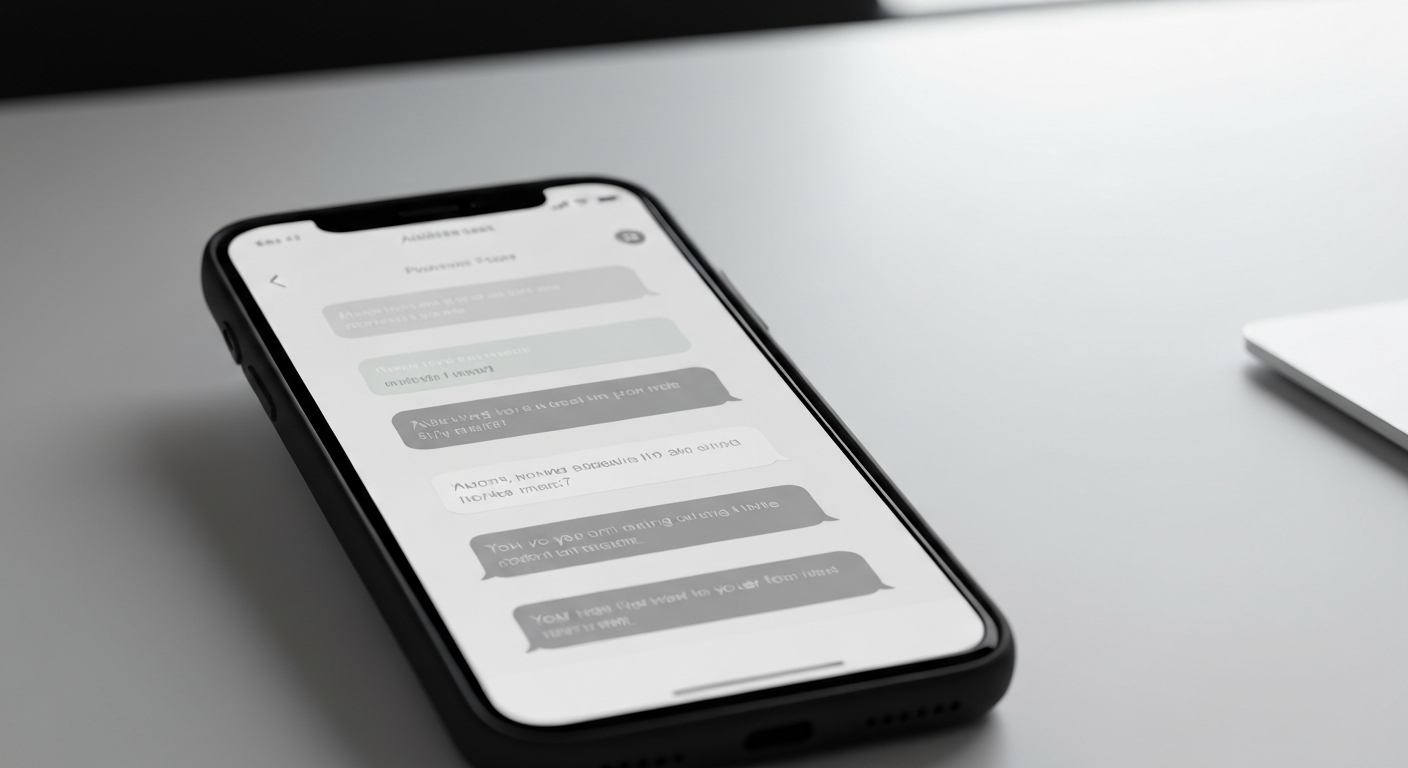
Here's a real structure used for a Chennai coaching institute client:
Message 1 — Sent within 30 seconds of WhatsApp initiation:
"Hi! 👋 Thank you for reaching out to [Institute Name]. We run NEET and IIT-JEE batches in Anna Nagar. To help you better, may I ask — which course are you enquiring about? Reply 1 for NEET, 2 for IIT-JEE, 3 for Board Exams, or 4 for something else."
Message 2 — Triggered by reply:
"Great! And which class is the student currently in? (e.g., Class 10, 11, 12)"
Message 3 — After class confirmation:
"Thank you. One last question — are you looking to join this month, or planning ahead for next year's batch?"
Message 4 — Based on timeline:
If joining this month: "Perfect! Our counsellor will call you within 30 minutes to discuss batch availability and fee structure. Name to look out for: [Staff Name]. If you'd prefer to visit us, here's our location: [Google Maps link]"
If planning ahead: "That's great planning! I'll add you to our priority list for [next batch] and send you our detailed syllabus and result brochure. What's the best email address to send it to?"
This 4-message flow typically takes under 3 minutes to complete — and delivers a fully qualified, contextualised lead to the sales team in a fraction of the time a manual process would take.
How This Fits Into Your Broader Branding and Sales System
WhatsApp automation doesn't exist in isolation. It's one layer in a complete lead conversion system:
- Ads (Meta/Google) drive enquiries
- WhatsApp automation captures and qualifies them instantly
- CRM records everything and assigns leads to the right team member
- Human follow-up closes the high-intent leads the automation has identified
- Nurture sequences keep warm-but-not-ready leads engaged until they're ready
When these layers work together, you stop losing leads to slow response times, manual errors, and follow-up gaps. This is the core architecture that RevMax App is built to support for Chennai and Tamil Nadu SMBs — with WhatsApp automation, CRM, and pipeline management in one integrated platform.
For more on why Chennai SMBs without a follow-up system lose leads to Google Ads competitors, read our guide on why businesses don't get leads from Google Ads.
Getting Started: What to Set Up First
If you're starting from zero, here's the priority sequence:
Week 1 — WhatsApp Business App basics:
- Switch from personal to WhatsApp Business account
- Set your business name, category, description, website, and address
- Set up a greeting message (auto-reply to first-time contacts)
- Set up an away message for outside business hours
- Create quick replies for your top 5 FAQ responses
Week 2 — Build your first flow:
- Map out your most common enquiry type (e.g., "pricing and availability")
- Write a 3-message qualification sequence
- Test it yourself from a second phone before going live
Week 3 — API integration (for volume businesses):
- Connect to a WhatsApp Business API provider
- Integrate with your CRM or lead management system
- Set up automated handoff triggers to your sales team
Week 4 — Track and optimise:
- Measure how many enquiries complete the qualification flow
- Measure how many automated conversations convert to a human conversation
- Identify the drop-off point and simplify that step
Frequently Asked Questions
Is WhatsApp Business automation legal in India?
Yes. WhatsApp Business automation using the official WhatsApp Business API is fully compliant and legal in India. The key requirement is that you only message contacts who have opted in to receiving messages from your business — which your automation system should handle through proper consent collection.
Does WhatsApp automation replace my sales team?
No. It makes your sales team dramatically more efficient by ensuring they only spend time on leads who have been pre-qualified, are genuinely interested, and are at the right stage of the buying journey. Think of automation as a smart receptionist that handles the first conversation so your closer can focus on closing.
How many messages can I automate per day?
This depends on your WhatsApp Business API tier. Verified business accounts can message thousands of contacts per day via broadcast campaigns to opted-in contacts. Automation flows responding to inbound enquiries have no limit.
Can I use WhatsApp automation for Tamil-language communication?
Yes. Modern automation platforms support Unicode-compliant Tamil script. You can build flows in Tamil, English, or a hybrid of both — which is particularly relevant for Chennai and Tamil Nadu SMBs serving Tamil-first customers.
What's the difference between the WhatsApp Business App and WhatsApp Business API?
The app is free and available on any smartphone — it has basic automation (greeting/away messages and quick replies) but cannot be integrated with external CRMs or used for advanced automation flows. The API requires a verified business account and a platform integration — but enables full, scalable automation, CRM sync, and multi-agent access.
✅ Ready to see what WhatsApp automation looks like for your Chennai business specifically? Book a free RevMax demo here →